
What Is Milling in Aluminum Profiles? A Complete Guide for Cabinet Handle Manufacturing
Milling in aluminum profiles is a precision CNC machining process that removes material from extruded aluminum to create functional features such as slots, holes, and custom structures. In modern furniture manufacturing, especially for cabinet handles and frames, milling transforms a basic extrusion into a fully functional and installation-ready component. In this guide, we explain how milling works, why it matters, and how to choose the right supplier for your project.
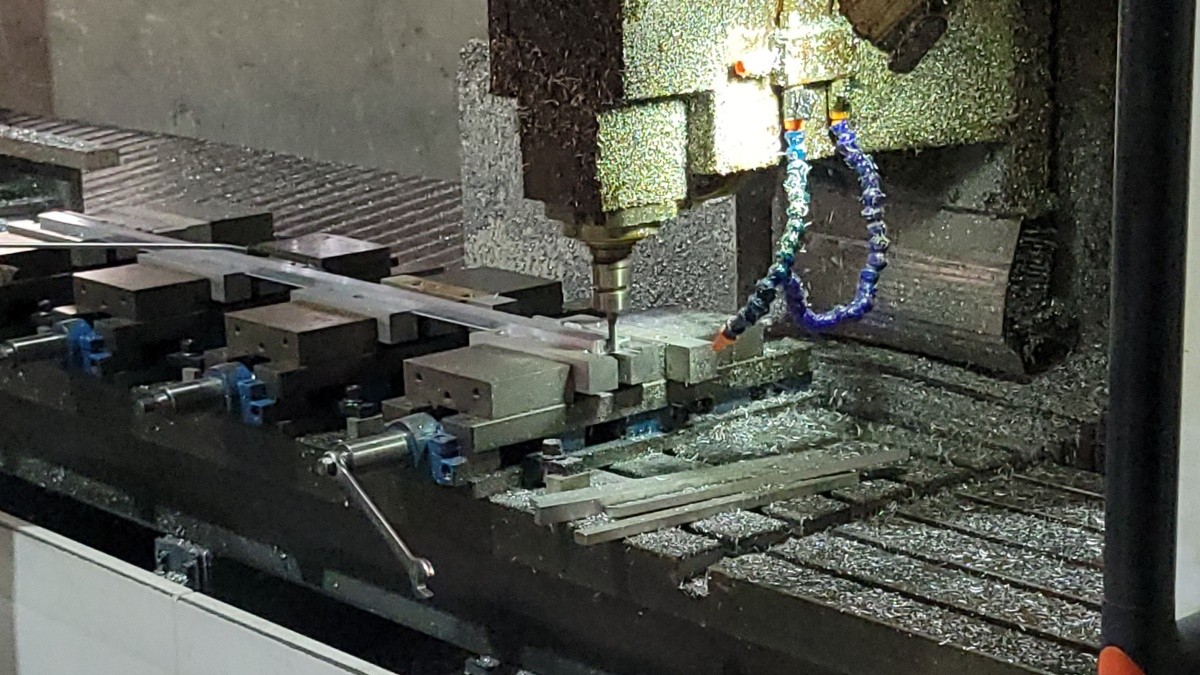
What Does Milling Mean in Aluminum Profiles?
Milling refers to a secondary machining process performed after aluminum extrusion, where rotating cutting tools precisely remove material to achieve specific geometries and functional details. Unlike extrusion, which produces a uniform cross-section, milling enables localized modifications such as grooves, holes, and end cuts, allowing the aluminum profile to meet real-world installation and design requirements. This process is essential in applications like cabinet handles, where both accuracy and usability are critical.
Why Milling Is Essential for Aluminum Cabinet Handles
Milling is essential because extruded aluminum alone cannot fulfill the functional and ergonomic demands of modern cabinet systems, as it enables the creation of finger pull grooves, precise mounting holes, and customized slot structures that align with different panel systems. By integrating CNC milling into production, manufacturers ensure consistent assembly, improved installation efficiency, and the flexibility to meet diverse project specifications, especially in OEM and custom furniture applications.
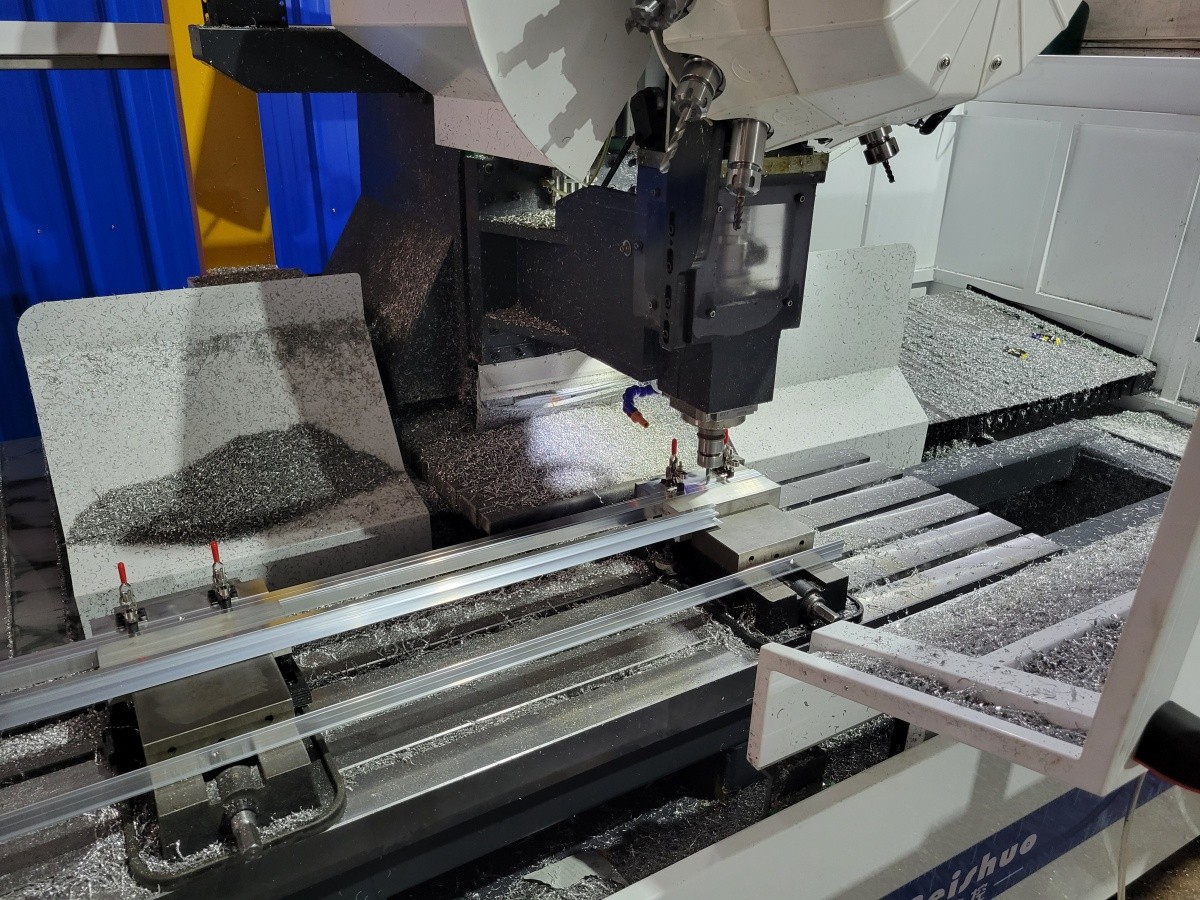
Common Milling Processes Used in Aluminum Profiles
Several CNC milling techniques are used to enhance aluminum profiles depending on the required functionality, including slot milling for creating grooves, drilling and hole milling for installation points, end milling for clean and accurate cuts, pocket milling for material reduction and embedded structures, and contour milling for complex shapes and customized designs. These processes are often combined to convert a simple extrusion into a high-performance, application-specific component used in furniture systems.
Milling vs. Extrusion: What’s the Difference?
Extrusion and milling serve different but complementary roles in aluminum profile manufacturing, where extrusion forms the initial shape of the profile through a die, and milling refines that shape by adding precise features and modifications. While extrusion is efficient for mass production of consistent cross-sections, it cannot achieve detailed customizations, making milling indispensable for producing fully functional components that meet installation and design requirements.
How CNC Milling Improves Product Quality
CNC milling enhances product quality by providing high precision, repeatability, and clean surface finishes, allowing manufacturers to maintain tight tolerances typically within ±0.1mm to ±0.2mm. This level of accuracy ensures seamless assembly, reduces installation errors, and improves overall product aesthetics, while also ensuring compatibility with surface treatments such as anodizing, powder coating, and brushed finishes commonly used in aluminum cabinet handles.
Applications of Milled Aluminum Profiles in Furniture
Milled aluminum profiles are widely applied in furniture manufacturing, including kitchen cabinet handles, wardrobe sliding door frames, bathroom vanity systems, and glass door aluminum structures, as they provide the flexibility to integrate with various materials like wood, glass, and composite panels. Their precision and adaptability make them a preferred choice for modern minimalist and high-end custom furniture designs.
Our CNC Milling Capabilities for Aluminum Cabinet Handles
We provide advanced CNC milling services tailored for aluminum cabinet handles, including slotting, drilling, contour machining, and custom end processing based on technical drawings, all controlled within tight tolerances of ±0.1mm to ±0.2mm. Combined with in-house surface finishing options such as anodizing, powder coating, brushing, and sandblasting, we deliver complete, ready-to-install aluminum components that improve production efficiency and reduce assembly complexity for our clients.
How to Choose the Right Aluminum Profile Supplier with Milling Capabilities
Selecting a reliable supplier requires evaluating their in-house CNC machining capabilities, tolerance control standards, and experience in furniture applications, as well as their ability to support custom drawings and OEM projects. A strong supplier should offer integrated solutions that combine extrusion, milling, and surface finishing, helping manufacturers streamline production, reduce costs, and ensure consistent product quality across projects.
Related Guides
FAQ
What is milling in aluminum profiles?
Milling is a CNC machining process that removes material from an aluminum extrusion to create slots, holes, and custom shapes.
Why is milling important for cabinet handles?
It enables precise installation, ergonomic features, and customization required for modern furniture systems.
What tolerance can CNC milling achieve?
Typically between ±0.1mm and ±0.2mm depending on the design.
Can aluminum profiles be customized with milling?
Yes, milling allows full customization based on drawings and application needs.
Work With a Reliable Aluminum Profile Manufacturer
With over 20 years of experience in aluminum extrusion and CNC machining, we provide high-precision, fully customized aluminum profile solutions for cabinet and furniture systems. Contact us today to get expert support and competitive pricing.

 Email
Email Whatsapp